


In the fast-paced and ever-evolving world of advertising, staying ahead of the curve is crucial. As businesses increasingly move towards digital and dynamic content, LED displays have emerged as a powerful tool to enhance brand visibility, engagement, and overall communication with customers. From high-traffic urban centers to public transport and even vehicle integration, LED advertising screens are revolutionizing how brands connect with their audiences. This blog will explore how LED displays are transforming modern advertising and why they are becoming a game changer for businesses of all sizes.
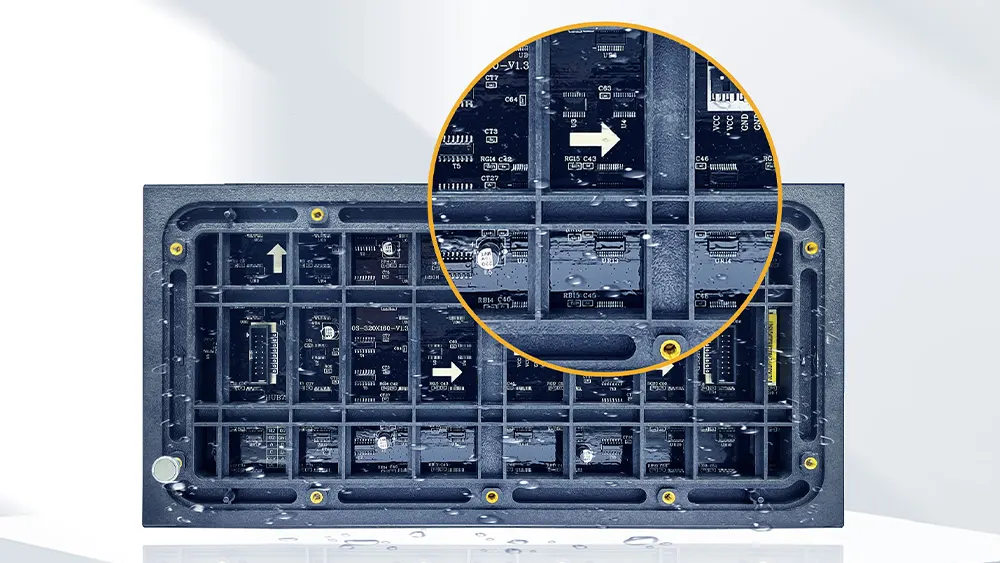
Dynamic Content for Greater Engagement
Traditional advertising methods such as billboards and posters often rely on static images and messages. In contrast, LED displays offer the ability to showcase dynamic content that can include:
- Videos: Animated advertisements, product demos, and promotional videos.
- Real-Time Updates: Social media feeds, news tickers, or live event streams.
- Animations: Attention-grabbing graphics or short animations to communicate brand messages.
This engaging format not only attracts attention but also boosts brand recall. Studies have shown that dynamic content on LED screens can increase viewer engagement significantly, making it a highly effective tool for capturing potential customers’ attention.
Location-Based Targeting
One of the key advantages of LED displays is their strategic placement in high-traffic areas such as:
- Busy Streets
- Malls
- Transportation Hubs
- Taxis and Buses
LED displays can be targeted to reach the right demographic at the perfect moment. For example, advertising on public transport means that commuters are exposed to ads during their daily routines, making them more likely to engage with the content. The ability to position these displays in locations with high foot traffic or specific target groups ensures that brands can tailor their messaging, maximizing the effectiveness of their campaigns.
- Contextual Advertising: Targeted ads based on location and time of day.
- Increased Exposure: Reach consumers where they are, even while on the move.
This dynamic, location-based advertising ensures that brands can engage with different audiences across various contexts and locations.


Cost-Effective and Flexible Advertising
Compared to traditional advertising methods such as print, radio, or TV ads, LED displays offer a more cost-effective, long-term solution. While the initial installation may require an investment, the flexibility and efficiency of LED screens make them a smart choice for many businesses. Key benefits include:
- Instant Updates: With a digital content management system (CMS), businesses can change messaging in real-time.
- Remote Control: Manage multiple screens from a centralized location, streamlining operations for large campaigns.
- Scheduled Campaigns: Automate ad schedules to target peak times of day or week.
This flexibility is particularly valuable for small and large businesses, allowing them to quickly adapt their messaging and manage costs effectively without the need for expensive reprints or re-shoots.
Higher Visibility and Reach
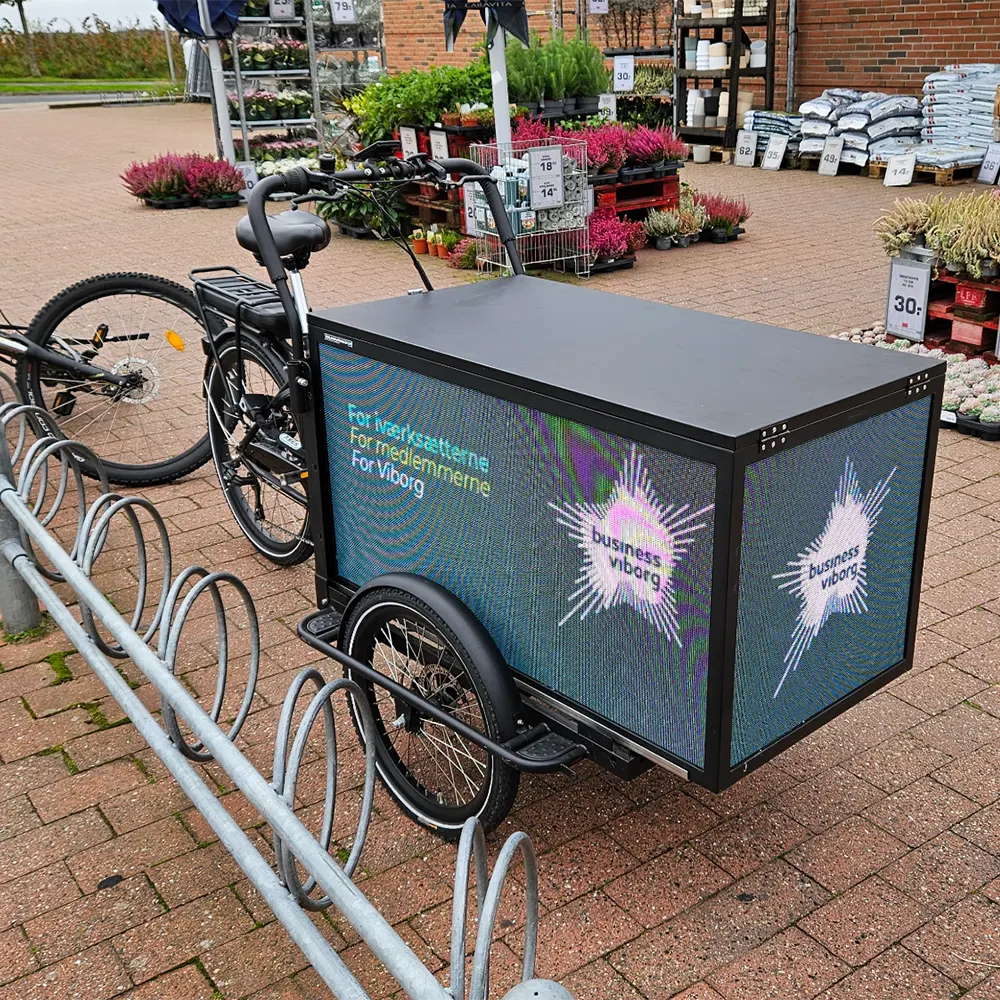
LED displays are designed for high brightness, making them visible even in daylight or under bright conditions. This feature makes them particularly useful for outdoor advertising, where traditional print ads may be hard to read. Benefits of LED displays in visibility include:
- Daylight Visibility: The high brightness ensures your ad is visible at all times of day.
- Large Screens: LED displays allow for larger-than-life content that grabs attention from far distances.
- Vibrant Visuals: The dynamic, colorful displays naturally attract viewers and keep them engaged.
Whether it’s a scrolling ad at a bus stop or a massive billboard on the side of a building, LED displays offer unmatched visibility that ensures your brand message is seen and heard.
Environmental and Energy Efficiency
With sustainability becoming a top priority for many businesses and consumers, LED technology offers a more eco-friendly solution compared to traditional advertising methods. Key environmental benefits include:
- Lower Power Consumption: LED displays consume significantly less power than traditional digital signage, reducing overall energy costs.
- Longer Lifespan: LED technology is more durable and designed to last longer, reducing the need for frequent replacements.
- Better for the Environment: With fewer repairs, less energy consumption, and longer lifespans, LED displays have a reduced carbon footprint compared to other advertising options.
By investing in LED displays, businesses can not only improve their advertising effectiveness but also contribute to sustainability efforts.
Conclusion
LED displays are no longer just a futuristic technology—they are the present and the future of advertising. With their ability to show dynamic content, target specific locations, and offer cost-effective, flexible solutions, LED displays have already proven themselves as a game changer in the advertising world. As the technology continues to advance, businesses of all sizes will increasingly rely on LED displays to engage with their audiences, enhance brand visibility, and drive meaningful interactions. For companies looking to stay ahead of the competition, embracing LED displays is an essential strategy for success in the modern advertising landscape.
Share:


