


As technology advances, LED displays are evolving towards more intelligent, transparent, and interactive designs. Smart LED screens now offer high clarity, brightness, and an enhanced user experience by integrating internet connectivity, sensors, and advanced features. This blog explores the emerging trends in LED display technology, focusing on how these innovations will reshape the way we interact with screens in various sectors.
Smart Displays: Higher Interaction Capabilities
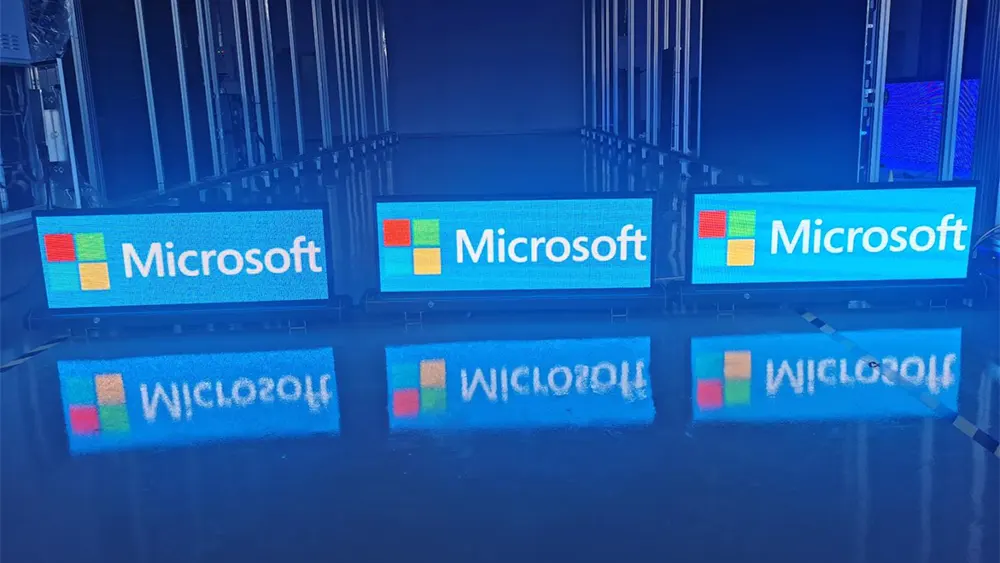
The future of LED displays will see a stronger integration of artificial intelligence (AI) and the Internet of Things (IoT). These technologies will enhance display interactivity by allowing screens to respond automatically to environmental factors such as ambient light, weather conditions, and user behavior.
- Personalized Content: In retail or museums, smart displays can offer tailored content and recommendations based on user preferences.
- Adaptive Features: Displays may automatically adjust to their surroundings, optimizing brightness, color, or content layout for better visibility and engagement.
These advancements will allow businesses to create more dynamic and responsive digital experiences that cater specifically to their audience.
Transparent Displays: Breaking the Limits of Space
One of the most exciting developments in LED technology is the rise of transparent displays. Unlike traditional opaque screens, transparent LED displays allow users to see through them while still displaying high-quality content. This makes them ideal for:
- Storefront Windows: Retailers can display advertisements and promotions while maintaining visibility of the products behind the screen.
- Building Facades: Transparent displays can be integrated into architectural designs, providing digital signage without obstructing views.
- Automotive Applications: Transparent screens can be used in car windows, offering information displays without compromising the driver’s visibility.

The versatility of transparent displays will break new ground in both advertising and design, enabling more innovative and immersive ways to engage with customers.
Interactive Displays: Engaging Customers Like Never Before
The demand for interactive LED displays is growing rapidly, particularly in industries such as retail, advertising, and entertainment. These displays allow users to interact with the content via:
- Touch: Users can navigate through information, select products, or browse content directly on the screen.
- Gesture Recognition: Users can control displays with hand gestures, enhancing the user experience without physical contact.
- Facial Recognition: This technology enables the display to adapt content based on the viewer’s demographic, interests, or preferences.
The ability to interact with displays in these ways will not only enhance customer engagement but also provide businesses with valuable data on consumer behavior. For example, personalized ads can be shown based on who is interacting with the display, leading to better-targeted marketing efforts.
High Resolution and Brightness for Diverse Applications
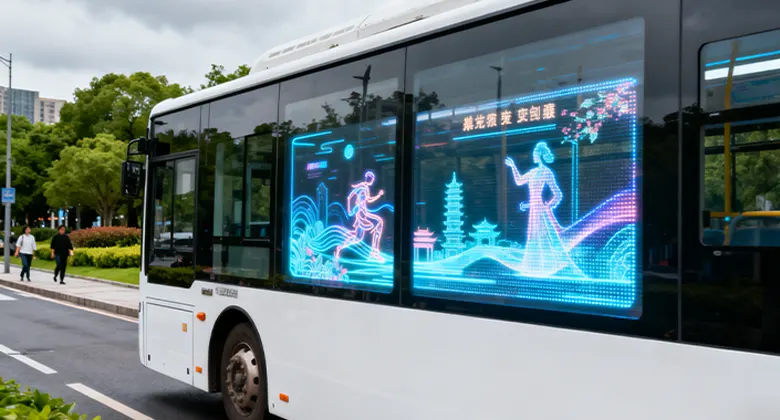
With the continuous advancement in display technology, future LED screens will feature higher resolutions and brighter displays, making them suitable for even more complex applications.
- Outdoor Advertising: High brightness and clarity will ensure that LED displays are visible in all lighting conditions, from direct sunlight to low-light environments.
- In-Car Displays: With improved resolution and brightness, in-car displays will be able to provide high-definition content that’s easy to read and interact with while on the move.
These improvements will make LED displays more versatile, allowing them to be used in a variety of environments where high quality and visibility are crucial.
Conclusion
The future of LED display technology is poised to be smart, transparent, and interactive. As these features become more integrated into displays, they will transform how businesses engage with their customers and how people interact with information. Whether through personalized content, enhanced visibility, or interactive experiences, LED technology will shape the future of advertising, information sharing, and user interaction across industries.
As the technology evolves, we can expect even more innovations that will push the boundaries of what LED displays can do, providing new opportunities for businesses to connect with their audiences in dynamic ways.
Share:


