


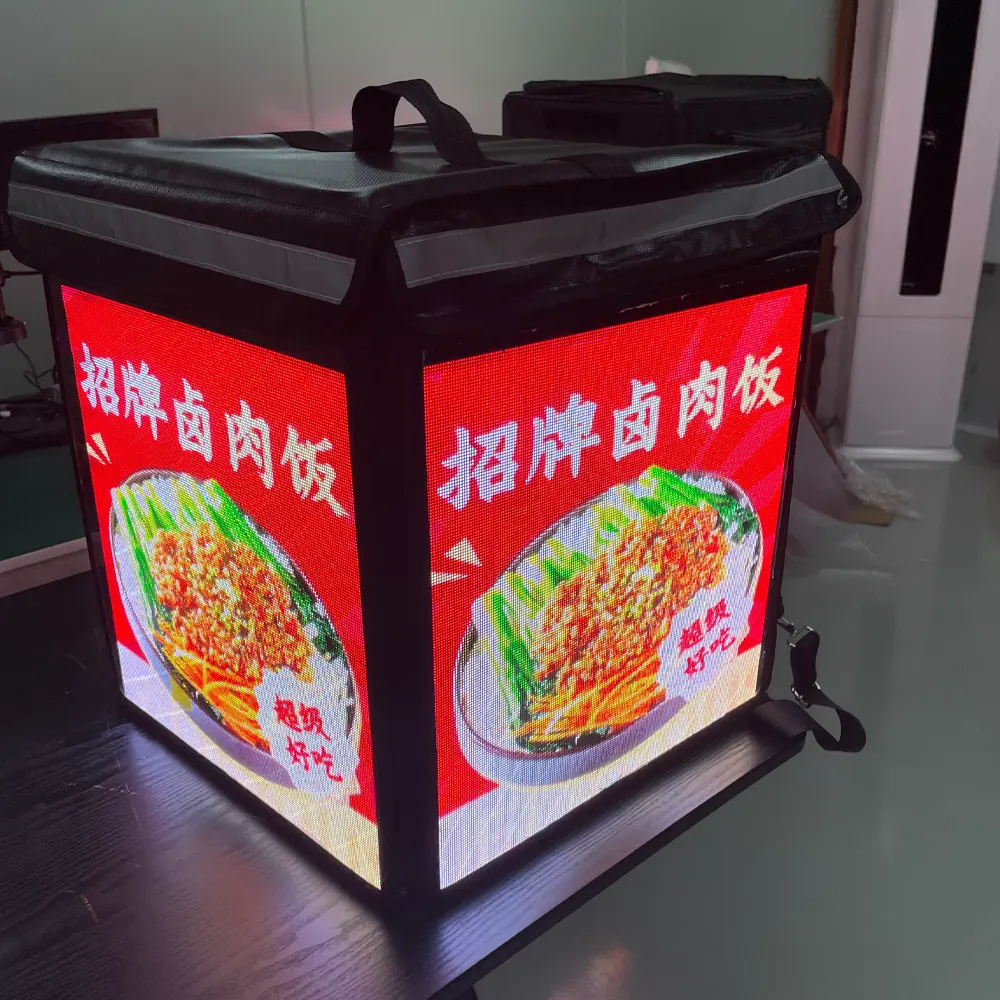
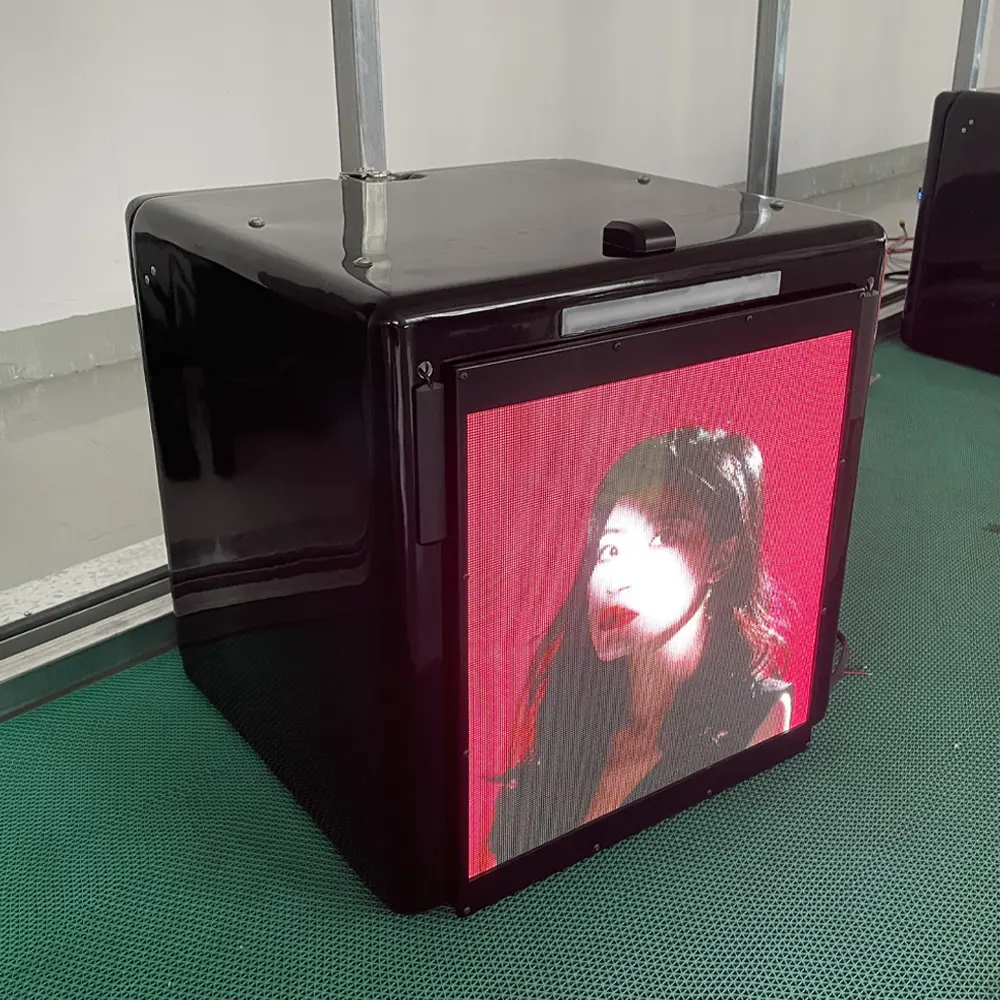
In the bustling streets of major cities, a new form of advertising has been catching eyes recently—LED display screens mounted on food delivery vehicles. This innovative combination of the booming food delivery industry and digital advertising is reshaping the way brands connect with consumers, offering unprecedented mobility and visibility in high-traffic areas.
The Rise of Mobile Advertising
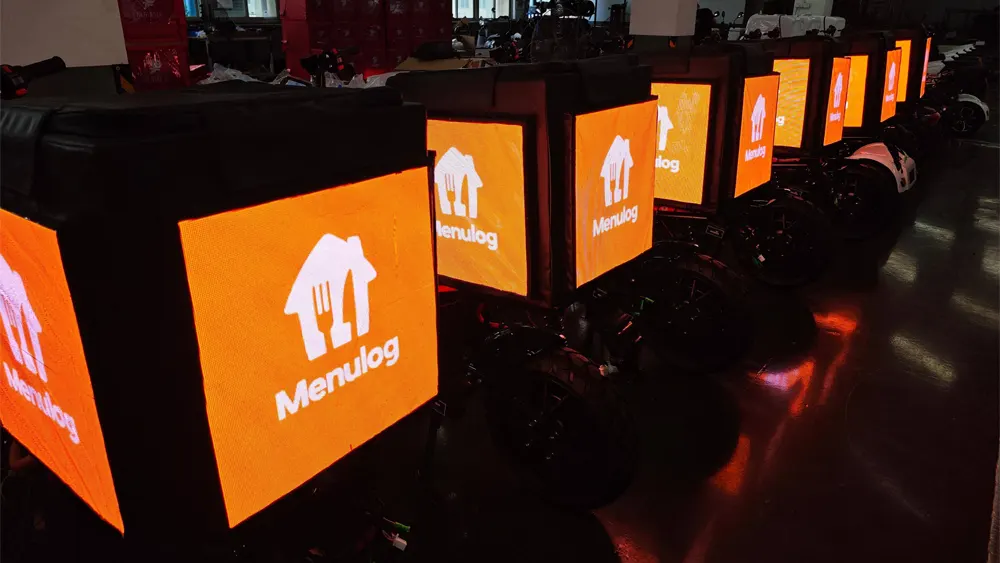
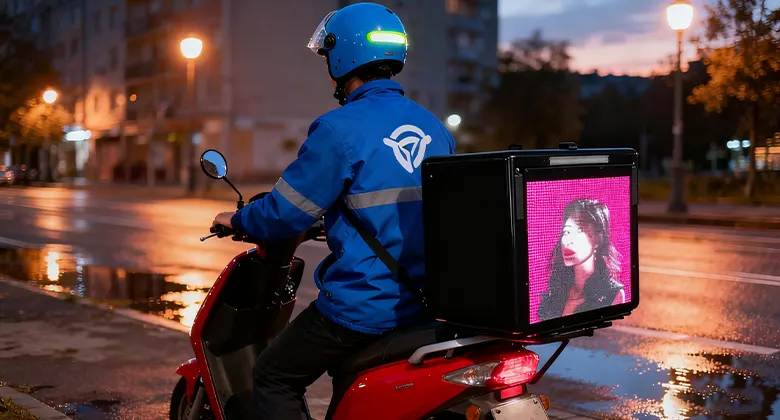
Food delivery riders, who navigate through crowded urban roads for hours daily, have become unexpected “mobile billboards” thanks to the compact, energy-efficient LED screens installed on the rear or sides of their electric scooters. These screens are designed to be weather-resistant and easy to operate, displaying dynamic ads, promotional messages, and even real-time updates. Every delivery trip turns into a targeted marketing campaign, offering brands a unique way to engage with consumers while on the move.
Dynamic, Real-Time Advertising
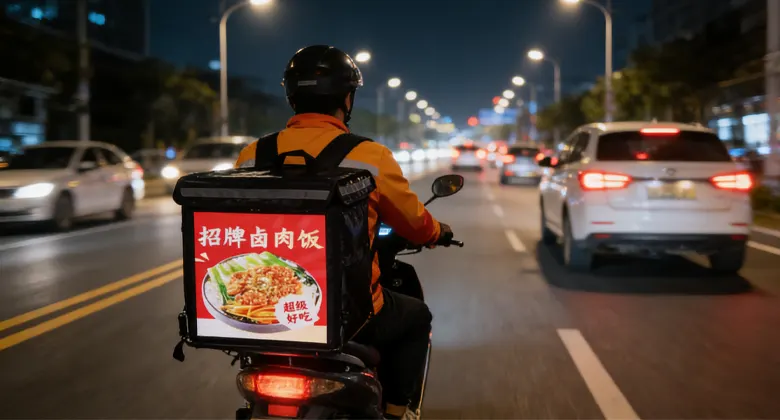
Unlike traditional static billboards that are limited to fixed locations, these mobile LED ads can reach diverse audiences across residential areas, business districts, and busy intersections. They maximize exposure during peak hours such as lunch and dinner rushes. The ability to show real-time content makes these mobile billboards incredibly versatile, allowing brands to tailor their messages based on the time of day, location, or specific promotions.
Maximizing Exposure in High-Traffic Areas
Food delivery vans are constantly on the move, navigating through high-traffic areas and residential zones. This mobility allows brands to maximize their exposure in locations where traditional ads would never reach. Whether it’s a busy intersection, a residential neighborhood, or a corporate district, the LED screens on these vehicles ensure that the ads are seen by a large and diverse audience. The ability to advertise during high-traffic times, such as lunch and dinner rushes, further enhances their impact.
Cost-Effective for Local Businesses
Local businesses have particularly embraced this new form of advertising due to its cost-effectiveness and precision. A café owner in downtown Manhattan shared, “We used to spend a lot on newspaper ads with little feedback. Now, with LED screens on delivery bikes covering nearby neighborhoods, our weekend brunch promotions have seen a 30% increase in foot traffic.” The lower cost and targeted reach make mobile LED ads an appealing choice for small businesses looking to increase their local presence.
Data-Driven and Adjustable Ads
For larger brands, the data-driven nature of the technology is a key draw. Advertisers can track impressions, engagement rates, and even adjust content remotely based on location and time. This level of customization ensures that the message resonates with the right audience at the right moment. Whether it’s adjusting brightness levels, changing content, or analyzing performance metrics, the ability to fine-tune campaigns in real time provides a significant advantage.
Safety and Durability Considerations
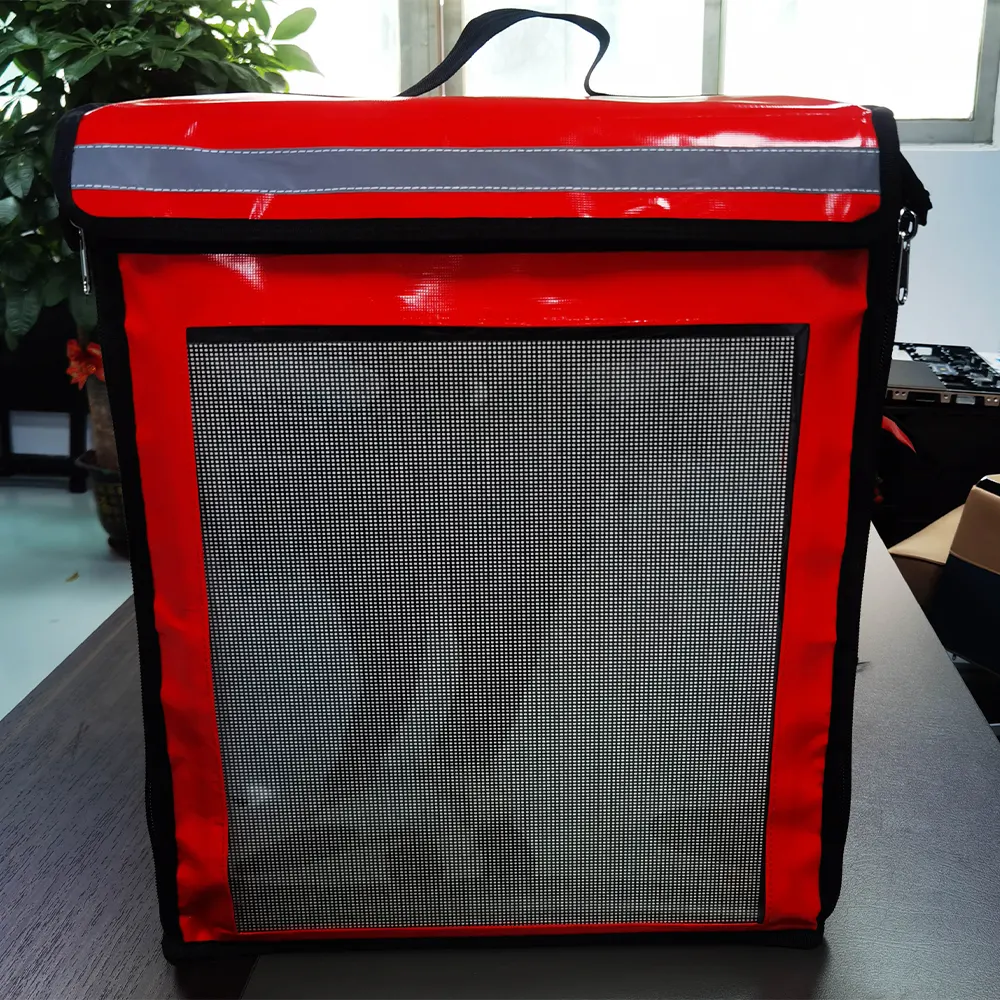
While the effectiveness of these mobile billboards is undeniable, safety remains a top priority. Manufacturers of these LED systems emphasize that the screens are designed to be non-intrusive, with adjustable brightness levels to avoid distracting riders or other road users. Additionally, the screens are equipped with shockproof features to withstand the vibrations from daily deliveries, ensuring their durability in harsh urban conditions.
The Future of Mobile LED Advertising
Industry experts predict that this trend will continue to grow as more delivery companies partner with advertising platforms to monetize their fleets. “Food delivery vehicles are on the move 24/7, making them the perfect carrier for hyper-local advertising,” said a digital marketing analyst. As technology advances, we may soon see interactive screens that allow pedestrians to engage with ads, further bridging the gap between brands and consumers.
Share:


